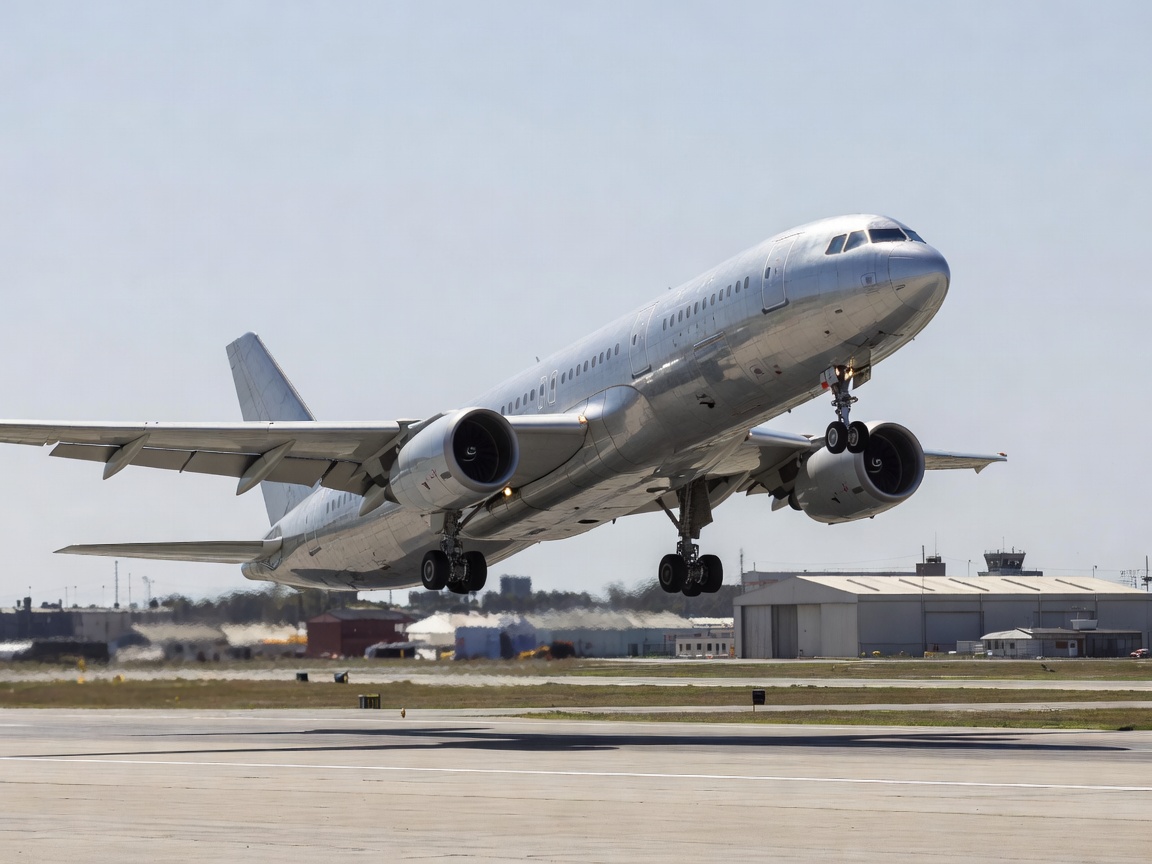
777-9 Flagship Architecture
An in-depth review of the stretched fuselage, structural weight metrics, type certification pathways, and performance envelopes of the 426-passenger 777-9 aircraft.
The Boeing 777X represents the definitive evolution of widebody twin-engine efficiency. Built upon the operational heritage of the 777-300ER and integrating structural innovations pioneered on the 787 Dreamliner, the 777X introduces the largest commercial composite wing in aviation history, high-bypass General Electric GE9X propulsion, and commercial aviation’s first FAA-certified folding wingtip mechanism.

Explore detailed technical monographs covering airframe structural mechanics, powerplants, aerodynamic innovations, payload configurations, and cabin pressurization design.
An in-depth review of the stretched fuselage, structural weight metrics, type certification pathways, and performance envelopes of the 426-passenger 777-9 aircraft.
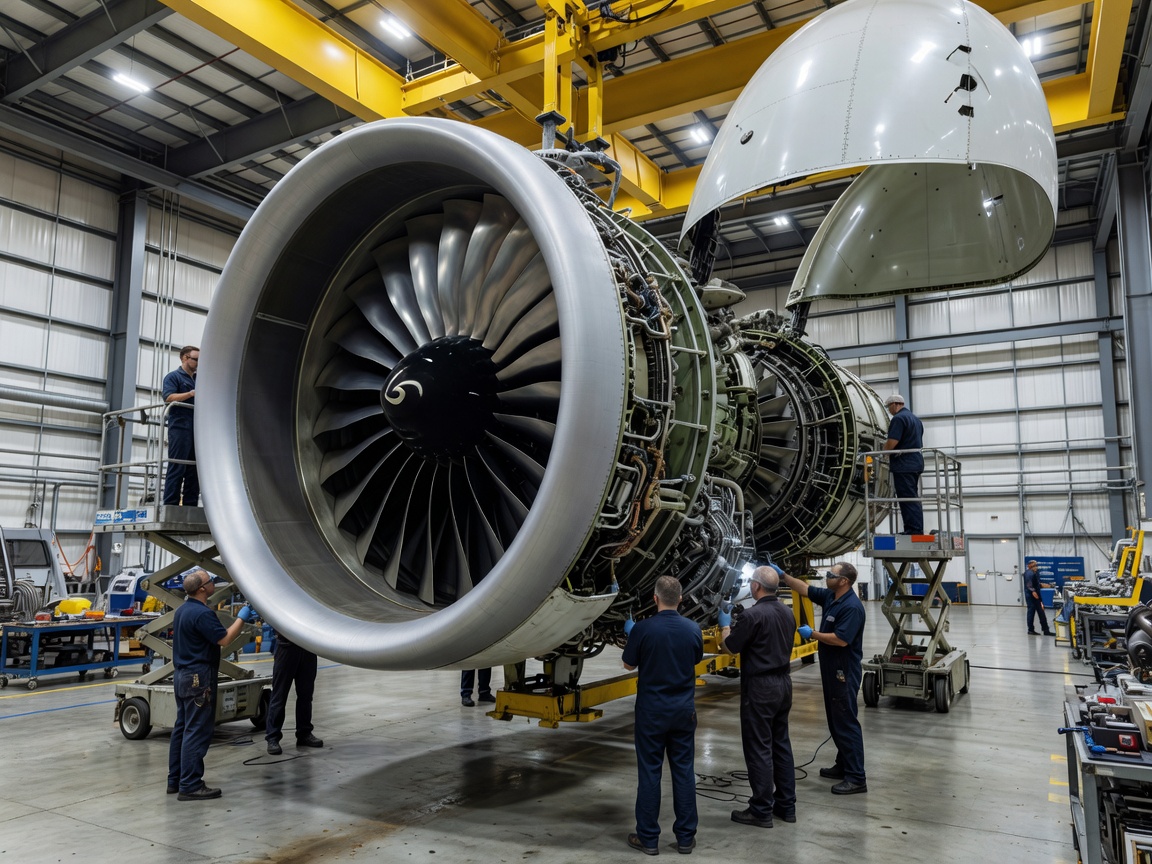
Analysis of the 105,000 lbf thrust engine: ceramic matrix composites (CMCs), 27:1 pressure ratio compressor, and carbon fiber fan blades engineered by GE Aerospace.
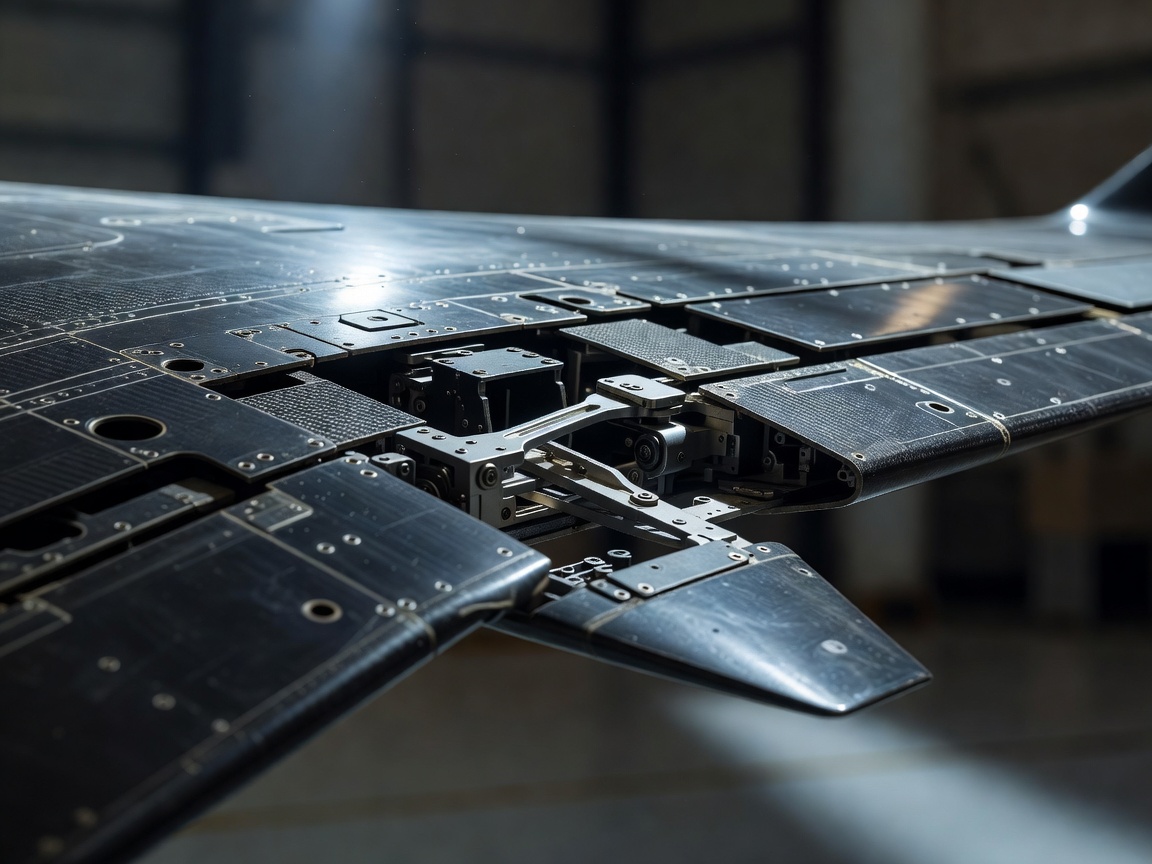
Examining the 71.8-meter fourth-generation composite wing and the electromechanical folding mechanism that resolves ICAO Code E airport gate compatibility.
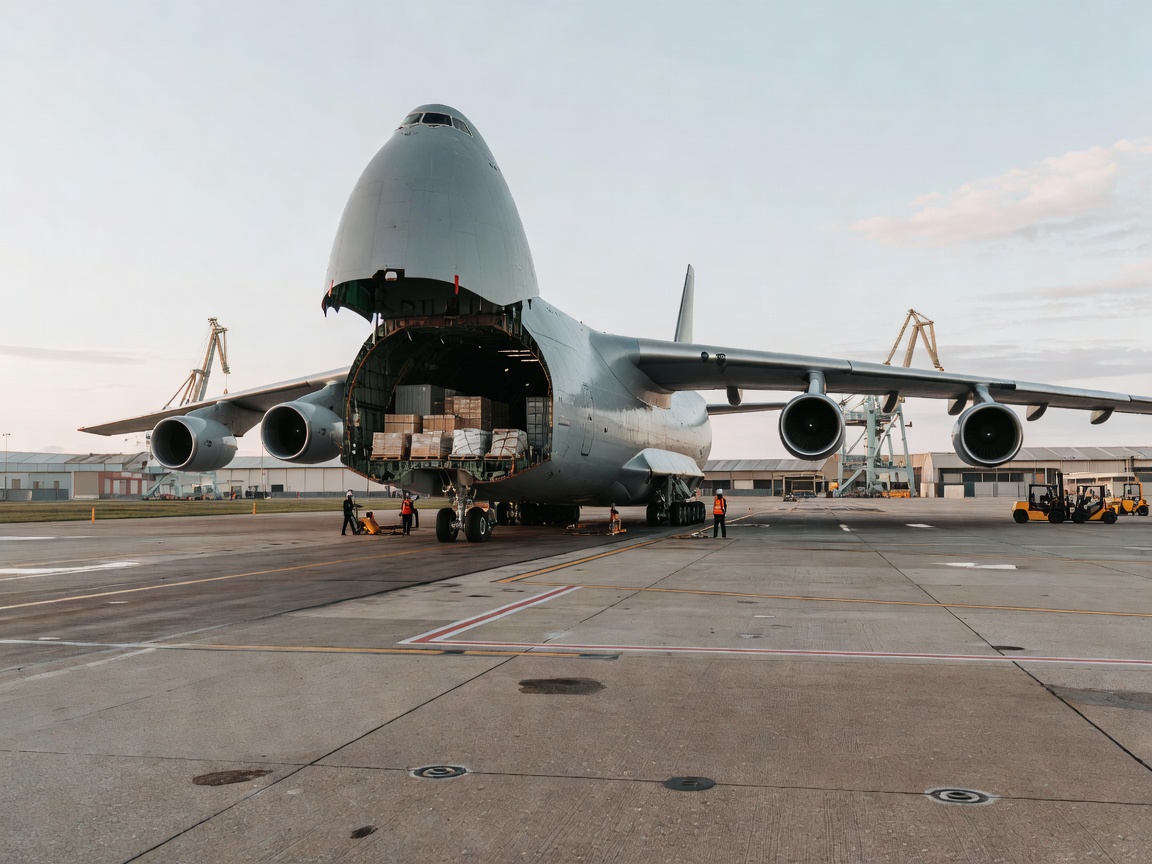
A technical assessment of the 777-8 passenger variant and 777-8F dedicated cargo platform, featuring revenue payload charts and ultra-long-haul capability.
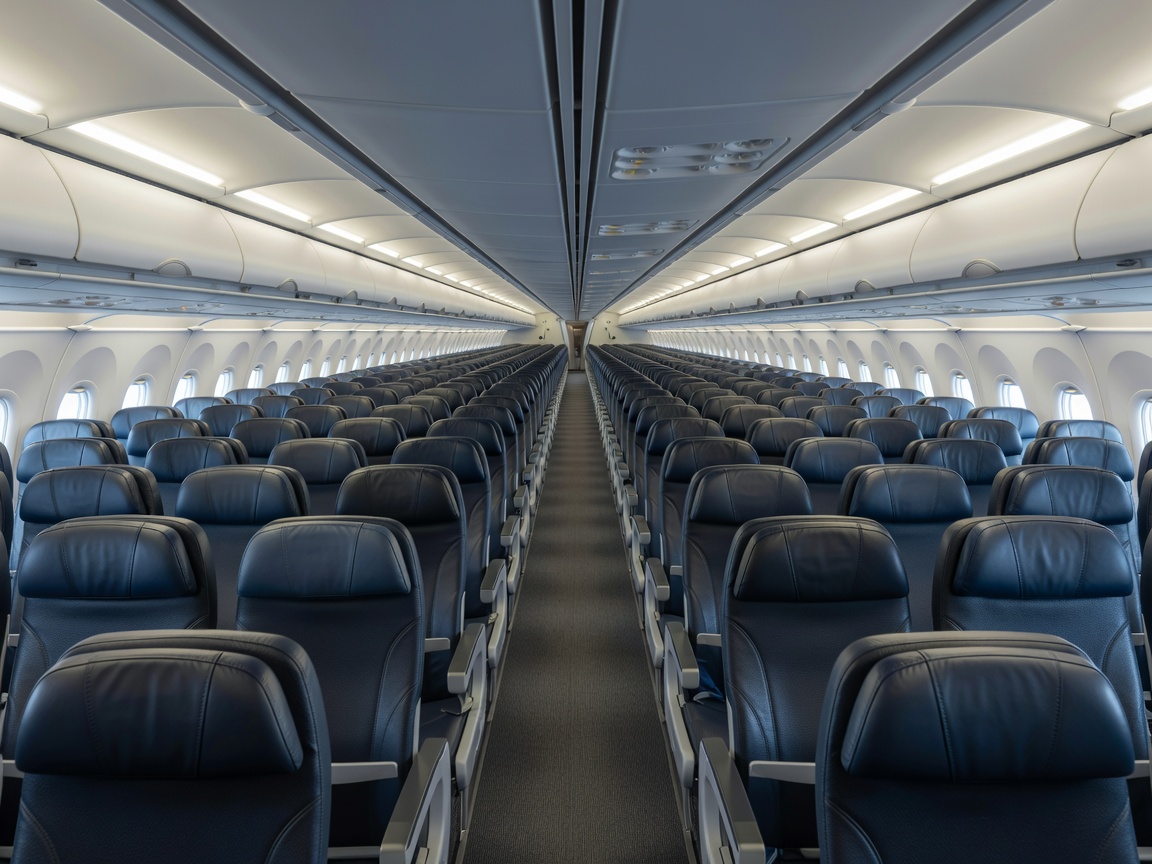
Atmospheric management at 6,000 feet cabin altitude, sculpted sidewalls providing 4 inches of extra interior width, electrochromic windows, and acoustic insulation.
The 777X airframe redesign incorporates fundamental structural upgrades over the outgoing baseline 777-300ER, resulting in substantial fuel burn reductions per seat.
| Parameter | Boeing 777-300ER (Baseline) | Boeing 777-9 (777X) | Boeing 777-8F (Freighter) |
|---|---|---|---|
| Overall Length | 73.86 m (242 ft 4 in) | 76.72 m (251 ft 9 in) | 70.87 m (232 ft 6 in) |
| Wingspan (Flight / Gate) | 64.80 m (No Fold) | 71.75 m / 64.82 m | 71.75 m / 64.82 m |
| Maximum Takeoff Weight (MTOW) | 351,533 kg (775,000 lb) | 351,534 kg (775,000 lb) | 365,141 kg (805,000 lb) |
| Turbofan Powerplants | 2x GE90-115B (115,300 lbf) | 2x GE9X-105B1A (105,000 lbf) | 2x GE9X-105B1A (105,000 lbf) |
| Typical Passenger Capacity | 396 (2-Class) | 426 (2-Class) | N/A (Cargo Variant) |
| Structural Wing Composition | Aluminum Alloy Spars & Skin | Carbon-Fiber Reinforced Polymer | Carbon-Fiber Reinforced Polymer |